Discovering the Best Neighborhoods in Rockville, MD: A 2026 Buyer's Guide
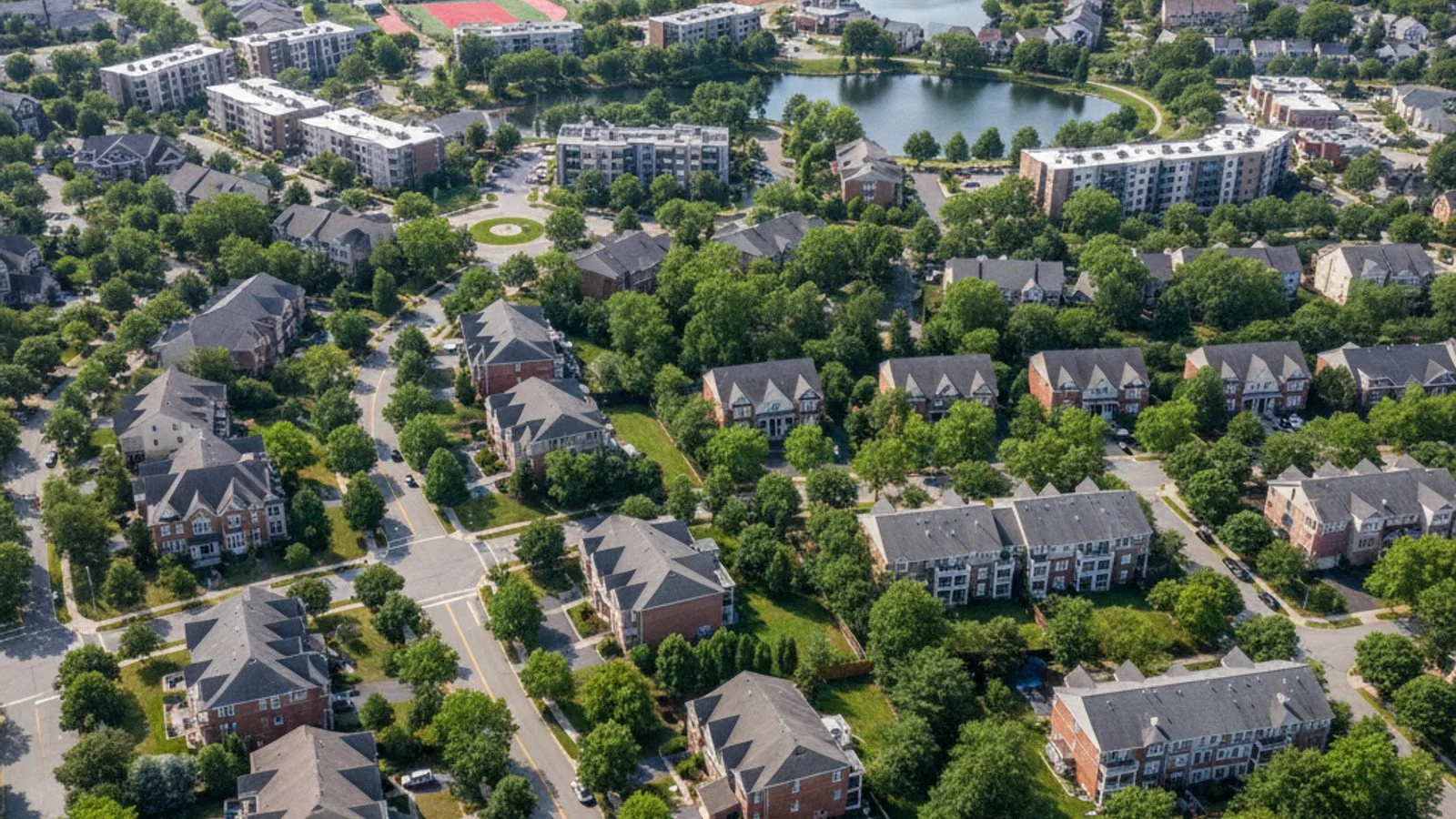
Montgomery County continues to be a major draw for home buyers in 2026, and Rockville sits right at the center of that demand. The city offers a compelling mix of established historic districts, highly structured planned communities, and dense transit-oriented developments. Buyers evaluating the best neighborhoods in Rockville, Md., will find a diverse housing stock that caters to varying budgets and lifestyle preferences.
Navigating this market requires an understanding of how distinct each zip code is. Proximity to the Red Line, access to major retail corridors, and specific property types drastically influence local pricing. Knowing the granular details of these communities makes it easier to target the right property in a highly competitive environment.
Understanding the Rockville, MD Real Estate Market
The Rockville housing market remains exceptionally tight as we move through mid-2026. The overall median home price currently sits between $650,000 and $715,000, reflecting sustained demand and historically low inventory levels. Homes are spending very few median days on the market, meaning buyers need to be prepared to act quickly when a property matches their criteria.
Inventory across the city features a broad mix of single-family homes, multi-level townhouses, and high-rise condominiums. This variety means that a buyer's budget stretches differently depending on the specific neighborhood they target. For those focused on maximizing space or securing immediate transit access, narrowing down the search to specific subdivisions is a crucial first step.
King Farm
King Farm stands out as a highly desirable 450-acre planned community located in the northern section of Rockville. The architectural design deliberately mirrors traditional town layouts, featuring a mix of large single-family homes, townhomes, and condominiums. This structured environment creates a highly cohesive aesthetic that appeals to buyers looking for a meticulously maintained community.
Property values here reflect the premium nature of the development, with the current median sale price hovering around $680,000. Buyers looking for detached single-family homes should expect to see price tags ranging from $990,000 to well over $1.3 million. The investment comes with significant local convenience, as the community is anchored by the King Farm Village Center.
This central retail hub provides immediate access to grocery shopping, dining options, and essential services without needing to access major highways. Commuters also benefit heavily from the dedicated community shuttle system. This service provides direct, reliable access to the Shady Grove Metro station, making daily travel into Washington, D.C. highly efficient.
Fallsgrove
Fallsgrove is another premier planned community that commands strong attention from buyers in 2026. The real estate landscape here is characterized by an abundance of large single-family homes, interspersed with luxury townhomes and modern apartment complexes. The neighborhood footprint was designed to maximize convenience, placing residential streets within easy reach of commercial centers.
The median home price in Fallsgrove currently sits at approximately $740,000, making it one of the higher-priced sectors in the city. Larger detached homes in this area frequently exceed the $1.2 million mark, reflecting the generous square footage and premium lot sizes. These price points are supported by the area's exceptional walkability to the Fallsgrove Village Center.
Residents have immediate access to a major grocery anchor, diverse restaurant options, and daily retail necessities right outside their subdivisions. Furthermore, the neighborhood is situated immediately adjacent to the Adventist HealthCare Shady Grove Medical Center. This proximity is a major draw for healthcare professionals seeking a zero-commute living situation.
Twinbrook
Buyers looking for established, mid-century architecture often focus their search on the Twinbrook neighborhood. This community is defined by its post-war single-family homes, many of which feature classic brick construction and generous yard spaces. The mature trees and traditional street grids offer a distinct contrast to the newer planned communities in the northern part of the city.
Twinbrook represents a highly strategic entry point into the Rockville market, with the median home price currently hovering around $550,000. This pricing provides an opportunity to secure a detached home at a value that is increasingly rare in Montgomery County. The financial accessibility does not come at the expense of convenience or location.
The neighborhood boasts excellent walkability to the Twinbrook Metro station on the Red Line, offering a seamless commute for those working down the transit corridor. Additionally, residents enjoy immediate access to the extensive retail and dining options running along Rockville Pike, also known as Maryland Route 355. This combination of transit access and lower entry prices makes it a highly practical choice.
West End and Downtown Rockville
The contrast between the historic West End and the modern developments of Rockville Town Center showcases the architectural diversity of the city. The West End is characterized by historic, tree-lined streets featuring older, detached homes with unique character and charm. Just a few blocks away, Rockville Town Center offers high-density, transit-oriented living dominated by modern condominiums.
Condominiums in the Town Center area generally range from $350,000 to $500,000, offering a relatively accessible price point for buyers prioritizing walkability. This downtown sector is anchored by Rockville Town Square, a vibrant hub filled with retail shops, diverse restaurants, and entertainment venues. Living here means having civic events, dining, and daily conveniences literally right outside the lobby doors.
The area is also a major employment center, housing numerous local government offices and commercial headquarters. Commuters benefit from immediate proximity to the Rockville Metro station, which serves both the Red Line and regional rail services. Whether buyers want a historic property or a low-maintenance condo, this central district delivers high connectivity.
Commuting and Public Transit Infrastructure
Rockville is fundamentally defined by its integration with the broader Washington metropolitan area transit network. The city is highly accessible, reducing the reliance on personal vehicles for those working in major regional employment hubs. Understanding the specific travel times can help buyers choose the right neighborhood for their daily routine.
The public transit infrastructure is anchored by the Washington Metro Red Line, which features three distinct stations serving the area: Shady Grove, Rockville, and Twinbrook. Commuters utilizing the Shady Grove station can expect an approximate 33-minute travel time directly to Metro Center in Washington, D.C. For those working closer to home, the ride from the Rockville station to downtown Bethesda takes just 14 minutes.
For residents who prefer or require driving, the city provides excellent access points to I-270. This major interstate serves as the primary arterial route, connecting drivers south to the Capital Beltway and Northern Virginia, or north toward Frederick. The combination of heavy rail and interstate access ensures that Rockville remains a premier logistical choice for regional commuters.
Parks, Recreation, and Local Schools
Beyond real estate and transit, the appeal of Rockville is heavily supported by its extensive municipal amenities and educational infrastructure. The city maintains numerous parks and recreational facilities that provide significant green space within a dense suburban environment. These objective quality-of-life features are major factors in sustaining local property values.
Rock Creek Regional Park serves as a massive natural amenity, offering residents extensive hiking trails, water access, and dense forested areas. Within the city limits, the Croydon Creek Nature Center provides municipal environmental programs and additional accessible trail networks. Having these natural spaces so closely integrated with residential zones provides a valuable outdoor escape.
On the educational front, all neighborhoods within the city fall under the jurisdiction of Montgomery County Public Schools. This district is a primary consideration for many buyers moving into the state of Maryland. Furthermore, the city hosts the main Rockville campus of Montgomery College, adding a significant higher education and workforce training presence to the local community.
Frequently Asked Questions
Is Rockville, MD an expensive area to buy a home?
Rockville is generally considered a premium market, with the 2026 median home price sitting in the mid-$600,000s. This pricing aligns with the local median household income, which is approximately $143,600. While these figures are higher than the Maryland state averages, they remain standard for the inner suburbs of Montgomery County.
How does the Rockville housing market compare to nearby areas?
Rockville generally commands higher property prices than cities further north, such as Gaithersburg or Germantown, primarily due to its immediate Red Line access. However, it offers a notably lower price point and entry barrier compared to luxury hubs like Bethesda or Chevy Chase. This positions Rockville as a balanced middle ground for buyers seeking transit convenience without the maximum price premiums of areas bordering Washington, D.C.