Evaluating the Rockville, MD Cost of Living in 2026
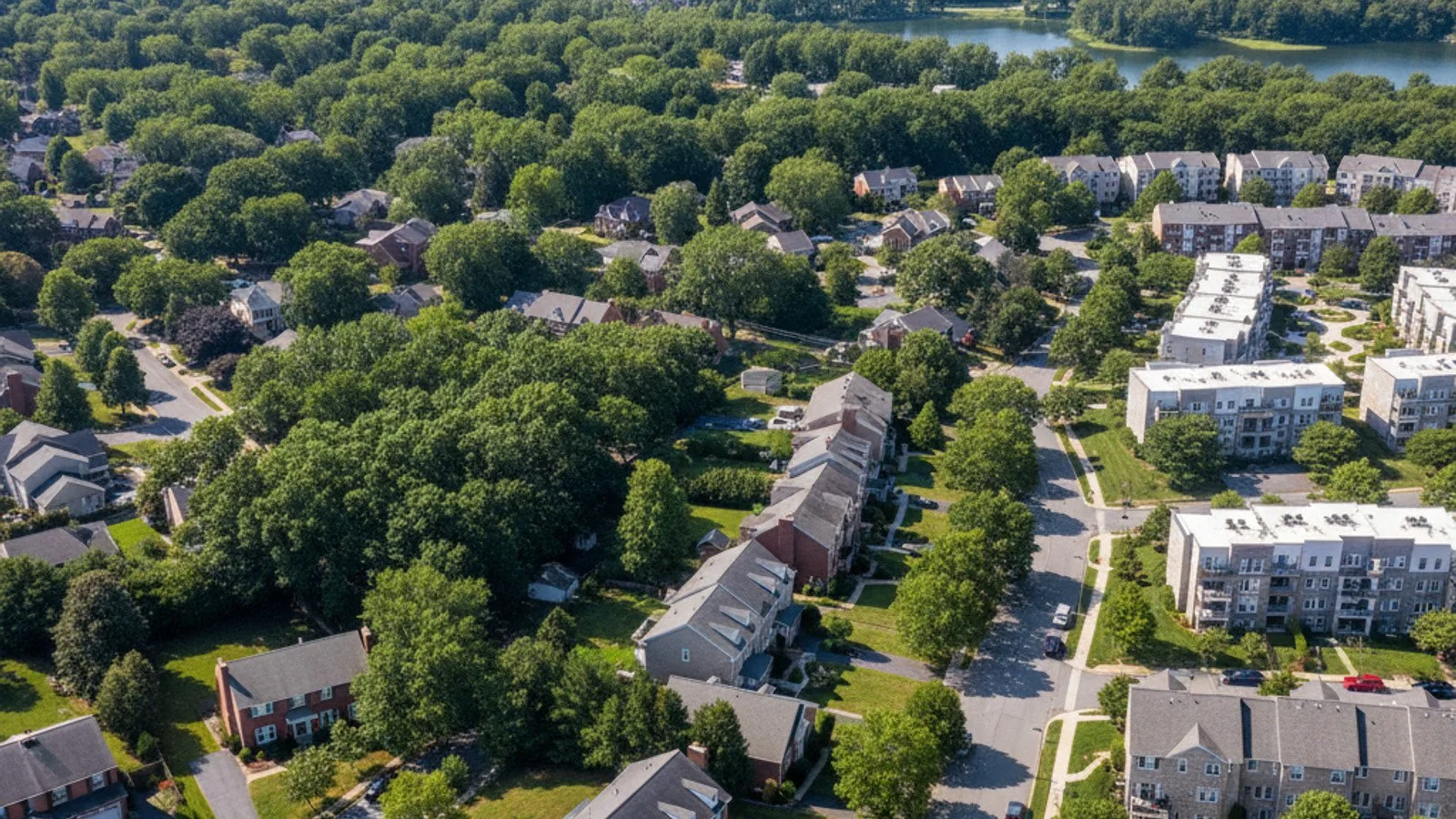
The Rockville, MD cost of living sits about 37% to 40% higher than the national average. Buyers and renters drawn to this Montgomery County city pay a premium for its proximity to Washington, D.C., and its established transit infrastructure. Understanding these expenses helps you determine if the area aligns with your budget.
Evaluating the true cost of living here requires looking past the sticker price of real estate. You should factor in property taxes, daily commuting fares, and utility costs to get an accurate picture. This breakdown explores what you can expect to pay across major expense categories in 2026.
Many professionals relocate to the DMV region expecting higher salaries to offset the housing costs. While the local job market is strong, mapping out your exact monthly costs prevents surprises after you sign a lease or close on a home. Planning your budget around local data ensures you can live comfortably in this new city.
How Rockville Compares to National Averages
A household earning the national median income will find their dollars do not stretch as far in the D.C. metropolitan area. Housing costs drive the bulk of this difference, often running well over double the United States baseline. Everyday expenses like food and healthcare also trend higher, though the gap is less extreme than in the housing sector.
Salaries in Montgomery County generally reflect these elevated prices. Many employers in the DMV region adjust compensation to account for the higher cost of living index. You should compare your specific salary offer against the local housing market rather than relying on national affordability calculators.
Renters and buyers moving from the Midwest or South often experience sticker shock during their initial property search. It helps to view the Rockville market in the context of the broader East Coast corridor. When compared to nearby markets like Arlington or Alexandria, Rockville presents a relatively balanced mix of price and transit access.
What You Will Pay for Housing in Rockville
The median home value for a single-family house in Rockville is roughly $637,000 to $667,000 as of mid-2026. Townhomes offer a slightly lower entry point, typically selling between $450,000 and $550,000 depending on the neighborhood. New arrivals to the area often find that available homes move quickly, requiring buyers to have their financing in order before touring.
Renters face a competitive market with average apartment rents sitting around $2,039 per month. Studio apartments generally start near $1,800, while one-bedroom units average $1,990. Those needing a two-bedroom layout should expect to pay about $2,600 monthly.
Prices vary noticeably between different parts of the city. Master-planned communities like King Farm command higher premiums due to their immediate proximity to retail and transit. Older neighborhoods like West End Park or areas like Twinbrook provide relatively lower price points while maintaining access to the city center.
Buyers should account for homeowners association (HOA) fees when looking at townhomes or planned communities. These monthly dues can add $100 to $300 to your housing costs. Factoring these fees into your monthly costs ensures you do not exceed your target debt-to-income ratio.
Commuting Options and Transportation Expenses
Many Rockville residents commute to D.C., making the Washington Metro Red Line a major factor in daily budgets. Fares from the Rockville or Shady Grove stations to Metro Center run between $5.10 and $5.20 each way during peak hours. A daily round-trip commute will cost a rider over $200 per month just in train fare.
The Montgomery County Ride On bus system offers a cheaper local alternative. The base fare for a bus ride is $1.00, providing an affordable way to reach train stations or nearby shopping centers. Many residents use a combination of bus and rail to manage their transit costs.
Drivers using Interstate 270 face a 30 to 40-minute average commute time into the district, assuming typical traffic conditions. Vehicle owners should budget for local gas prices, which often run slightly above the national average, along with parking fees at commercial garages. Commuters should weigh the cost of daily parking against the price of a monthly transit pass.
Vehicle registration and insurance also contribute to your transportation expenses. Maryland drivers pay insurance premiums that generally align with other densely populated East Coast states. You should request a quote for your specific zip code before finalizing your relocation budget.
Budgeting for Daily Household Expenses
Monthly utility costs for a standard 900-square-foot apartment in Rockville average between $150 and $250. This figure typically covers electricity, heating, cooling, and water. Larger single-family homes will see higher utility bills, especially during the peak summer cooling months.
Everyday expenses in Montgomery County require careful budgeting. New residents should plan for the following baseline costs:
Groceries: A single adult can expect to pay around $400 to $450 per month for standard grocery costs.
Utilities: Heating, cooling, and water for a single-family home often exceed $300 monthly.
Healthcare: Routine medical visits and personal care services run above the national average.
Dining out at local restaurants adds to this total, with prices reflecting the broader regional markup. You should review your employer's health insurance premiums to see how much out-of-pocket spending you need to plan for each year.
Internet and cellular service plans remain fairly consistent with national pricing. Most Rockville addresses have access to multiple broadband providers, allowing residents to shop around for competitive rates. Bundling these services can help lower your overall utility burden.
How Property Taxes Impact Your Monthly Budget
The median effective property tax rate in Rockville is approximately 1.22% of a home's assessed value. This rate combines the broader Montgomery County tax with a specific municipal tax applied to city residents. Buyers should always calculate this annual expense when determining their maximum purchase price.
The City of Rockville municipal rate adds $0.292 per $100 of assessed value to the county baseline. This additional revenue funds local services, road maintenance, and municipal infrastructure. Properties located just outside the city limits do not pay this specific surcharge, though they still pay the county rate.
These taxes directly impact your monthly housing costs. Lenders require borrowers to escrow property taxes, meaning a portion of your annual tax bill gets added to every mortgage payment. A $650,000 home will generate an annual tax bill of nearly $8,000, adding over $650 to your monthly payment.
Maryland also charges a transfer tax when you purchase real estate. This closing cost is typically split between the buyer and the seller, though terms can be negotiated in the contract. First-time Maryland buyers may qualify for a reduction in the state portion of this transfer tax.
Paying for Local Amenities and Services
Rockville residents pay a premium for access to extensive municipal services and established infrastructure. The area offers immediate proximity to Montgomery County Public Schools, which draw many homebuyers to the region. Access to well-maintained public spaces like Rock Creek Regional Park factors into the overall livability of the city.
Rockville Town Square serves as a central hub for dining, shopping, and entertainment. The retail center features a mix of mid-range and premium commercial options. Residents can find everything from casual lunch spots to higher-end dinner venues within a few blocks.
Child care costs represent a major expense for those utilizing local services. Full-time daycare in Montgomery County can exceed $2,000 per month per child. Factoring these amenity and service costs into your budget is necessary to live comfortably in the area.
The walkability of certain neighborhoods also adds value to the local real estate. Areas near the Metro stations allow residents to complete daily errands without starting a car. This pedestrian access reduces transportation wear and tear, offsetting some of the higher housing costs.
Frequently Asked Questions
What salary is needed to live comfortably in Rockville, MD?
A single renter should aim for an annual income of at least $85,000 to manage average rent, utilities, and daily transit without financial strain. Households looking to purchase a median-priced home of $650,000 generally need a combined income exceeding $150,000. These figures allow residents to cover the higher cost of living while maintaining personal savings.
Is Rockville, MD considered a wealthy area?
Yes, the city consistently reports a median household income well above the national average, reflecting the strong local labor economics. The presence of federal agencies and biotechnology firms in the DMV region drives these higher local salaries. This concentration of high-paying job opportunities directly influences the local real estate market.
How do Rockville housing costs compare to Bethesda and Gaithersburg?
Rockville offers a middle ground between its two Montgomery County neighbors. Home prices and rent in Rockville sit lower than the premium rates found in Bethesda, which borders D.C. directly. However, Rockville is generally more expensive than Gaithersburg, which sits further north along the I-270 corridor.