If you are looking to move to Montgomery County, you have likely found yourself stuck in the classic "Downcounty vs. Upcounty" debate. It is one of the most common dilemmas I see buyers face. You want the access and excitement of the D.C. suburbs, but you also want a home that fits your budget.
Rockville and Germantown are two of the most popular contenders in the area, but they offer vastly different lifestyles. Rockville is the bustling, urban-suburban hub closer to the city, while Germantown offers a quieter pace with more room to breathe further north.
The decision usually comes down to a simple trade-off: Are you willing to pay a premium for a shorter commute and walkability, or would you rather drive a bit further to get a bigger house for your money? Let’s break down the real numbers and lifestyle differences so you can decide which spot feels like home.
At a Glance: Rockville vs. Germantown
If you are just starting your search and need the quick highlights, here is how these two heavyweights stack up against each other.
Rockville
Median Home Price: $600,000 - $650,000
Commute to D.C.: 35–45 mins (Metro/Drive)
Vibe: Urban-Suburban, busy, walkable
Tax Status: Incorporated City (Extra Tax)
Public Transit: Red Line Metro Access
Germantown
Median Home Price: $450,000
Commute to D.C.: 60+ mins (Drive/Train)
Vibe: Suburban, spread out, quiet
Tax Status: Unincorporated (Lower Tax)
Public Transit: MARC Train & Bus only
Cost of Living & Housing Market
Let’s get right to the financials. Living in Montgomery County isn't cheap regardless of where you land, but your money goes a lot further once you head north on I-270.
Housing Prices and Rent
The "Rockville Premium" is a real thing. Because Rockville is a major employment hub with direct Metro access, housing costs are significantly higher. A budget of $600,000 in Rockville might get you a nice townhouse or a smaller, older single-family home that needs work.
Take that same $600,000 budget to Germantown, and the picture changes completely. You are likely looking at a spacious single-family home with a two-car garage and a decent yard. If you are renting, the story is similar. A modern two-bedroom apartment in Rockville often commands $2,300+ because of the location. In Germantown, you can find comparable space in the $1,900 range.
The Hidden Tax Difference
This is the detail that often catches buyers by surprise. When you buy in the City of Rockville, you are moving into an "incorporated city." This means you pay an additional municipal tax on top of your standard Montgomery County property taxes.
Currently, that adds about $0.292 per $100 of assessed value to your annual bill. For a $600,000 home, that is roughly an extra $1,750 per year. Germantown is an unincorporated Census Designated Place (CDP), meaning residents there only pay the standard County tax. However, Rockville residents will tell you that the extra tax pays for excellent snow removal, trash pickup, and city park maintenance that often beats the county standard.
HOA Fees
While Rockville has the tax hike, Germantown is the land of the Homeowners Association (HOA). Much of Germantown was developed as planned communities—like Churchill Village—so you will almost certainly have a monthly HOA fee. Rockville has many older, established neighborhoods where HOAs are non-existent, which can help balance out that monthly budget.
Commuting to D.C.: Metro vs. MARC
For many of my clients, the commute is the deciding factor. Your tolerance for traffic—specifically on Interstate 270—will dictate which town wins.
Rockville’s Metro Advantage
Rockville is the clear winner if you need to be in downtown D.C. daily. You have direct access to the Red Line via the Rockville and Twinbrook stations. Trains run frequently, and you can get to Union Station or Metro Center in about 35 minutes without touching your car keys.
Germantown’s Commuter Reality
Germantown does not have a Metro station. If you want to take the subway, you have to drive 15 to 20 minutes south to the Shady Grove station (the end of the Red Line) to park and ride.
However, Germantown does have a secret weapon: the MARC Train (Brunswick Line). This commuter rail is comfortable, quiet, and reliable. The catch is the schedule. It only runs East in the mornings and West in the evenings, and it does not run on weekends. It is perfect for a 9-to-5 commuter, but not for a night out in the city.
The Drive
If you plan to drive, be prepared. I-270 is one of the most congested highways in the region. Living in Germantown adds roughly 15 to 20 minutes of gridlock to your drive compared to Rockville. On a bad day, that door-to-door commute to D.C. can easily exceed an hour.
Lifestyle, Shopping, and Dining
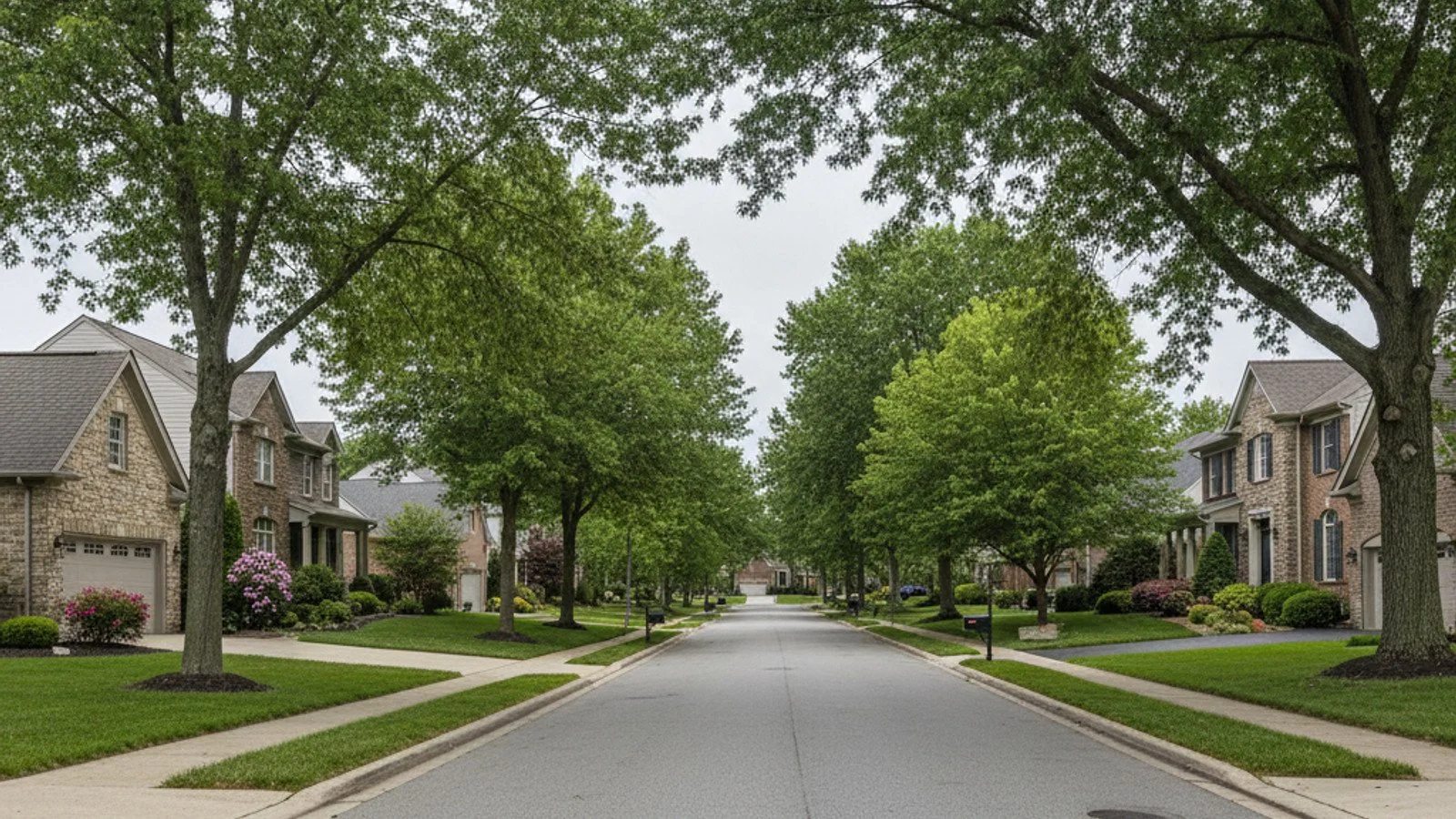
The "vibe" difference between these two areas is stark. One feels like a mini-city, and the other feels like a traditional relaxing suburb.
Rockville: The Urban-Suburban Mix
Rockville has successfully transformed itself into a destination. Areas like Rockville Town Square and Pike & Rose offer a dense, walkable environment. You can grab dinner at a high-end restaurant, catch a movie, and go shopping without moving your car. It has a buzz to it. You are also right next door to the dining scenes in Bethesda and North Bethesda.
Germantown: Traditional Suburbia
Germantown is much more spread out. The Germantown Town Center has plenty of restaurants, a library, and the BlackRock Center for the Arts, but it is largely a strip-mall style environment. You will need a car to run almost every errand.
However, if you love the outdoors, Germantown has the edge. You are much closer to Black Hill Regional Park and Little Seneca Lake, which offer kayaking, hiking, and huge open spaces that are harder to find closer to the city. Both towns are convenient to the popular Rio Lakefront in Gaithersburg, so you are never too far from entertainment.
Safety and Crime Rates
When looking at safety, it is important to look at the context of density. Both Rockville and Germantown are generally safe places to live, especially compared to D.C. proper, but they face different challenges.
Understanding the Numbers
Rockville has a much higher population density and major retail hubs. Consequently, police reports often show higher rates of property crime—things like shoplifting or theft from autos—concentrated around those busy shopping centers and Metro stations.
Germantown is quieter and more residential. While there are incidents reported near the transit center, the suburban cul-de-sacs tend to be very quiet. As with any move, I always suggest checking local police maps for the specific street you are interested in, as safety can vary significantly from one block to the next.
Schools and Education
Both towns are served by Montgomery County Public Schools (MCPS), which is one of the largest and most well-regarded districts in the state.
Rockville Clusters
Rockville is home to several high-demand school clusters, including Richard Montgomery, Wootton, and Rockville High. Richard Montgomery is particularly famous for its competitive International Baccalaureate (IB) program, which draws students from all over the county. The central location also makes it easy to access the main campus of Montgomery College.
Germantown Clusters
Germantown schools feed into clusters like Northwest, Seneca Valley, and Clarksburg. Because Germantown has seen so much growth in the last two decades, many of the school facilities here are newer and more modern than what you find Downcounty.
Final Verdict: Which Suburb Fits You?
Choosing between these two really comes down to how you value your time versus your space.
Choose Rockville if: You work in D.C. and want to minimize your commute. You enjoy a walkable lifestyle with easy access to restaurants and nightlife, and you are willing to accept a smaller home or a higher price tag for that convenience.
Choose Germantown if: You work remotely, in the I-270 tech corridor, or have a flexible schedule. You want a larger home with a yard, you don't mind driving for errands, and you prioritize getting better value for your dollar over being close to the city center.
Frequently Asked Questions
Is Rockville or Germantown more expensive?
Rockville is generally more expensive. Housing prices there are typically 20% to 30% higher than in Germantown for comparable properties. You pay a premium for the central location and Metro access.
Does the Metro go to Germantown?
No, the Red Line Metro stops at Shady Grove, which is on the border of Rockville and Gaithersburg. Germantown residents must drive or take a bus to Shady Grove, or use the MARC commuter train.
Are taxes higher in Rockville or Germantown?
Taxes are higher in Rockville. Residents within the Rockville City limits pay an additional municipal tax (approx. $0.292 per $100 of value) on top of the standard Montgomery County tax. Germantown residents only pay the County tax.
How far is Germantown from Rockville?
Germantown is about a 15-to-20-minute drive north of Rockville along I-270, depending on traffic. It is the next major hub as you head "Upcounty" away from Washington, D.C.