East Rockville MD: Neighborhood Guide 2026
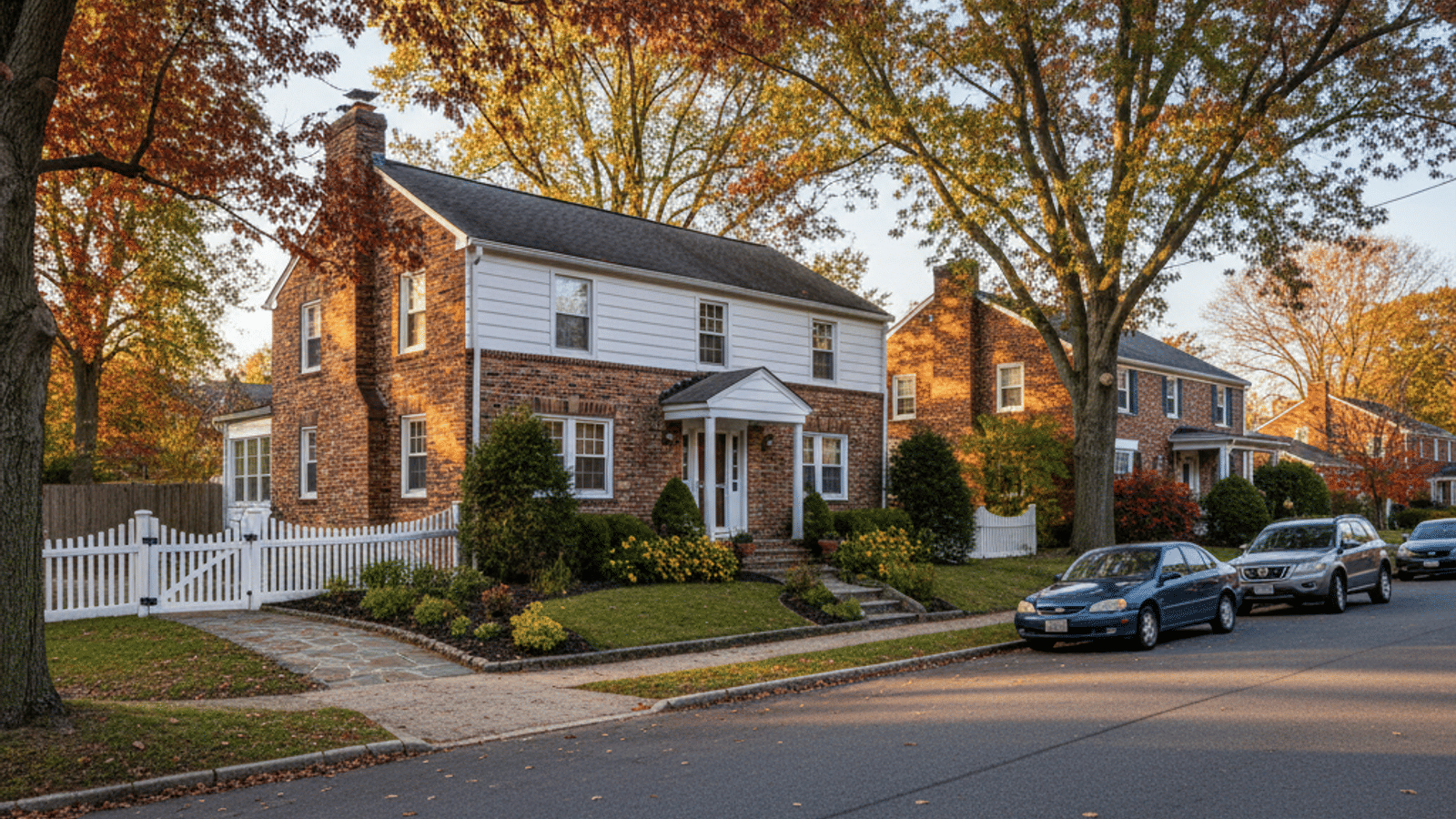
If you take a drive up North Washington Street, past the bustling Town Center, and make a right turn before you hit the chaos of Rockville Pike, you’ll find yourself in a different world. This is East Rockville. It doesn't have the manicured perfection of King Farm or the imposing Victorian mansions of the West End. Instead, it has something arguably better: authenticity.
Roughly bounded by North Washington Street, Veirs Mill Road, and the CSX railroad tracks, East Rockville is one of the city's oldest and most distinct neighborhoods. It is a "sweet spot" for buyers who want the convenience of an urban environment without sacrificing a backyard or a front porch.
As we move through 2026, this Rockville neighborhood remains a top target for buyers looking for character. It has a rich history dating back to the late 19th and early 20th centuries, and you can still feel that rootsy vibe today. It is diverse, unpretentious, and boasts a genuine "front-porch" culture where neighbors actually know each other. While western Rockville often gets the spotlight for its master-planned communities, historic East Rockville offers a quieter, residential alternative that is just a 10-to-15-minute walk from the heart of the action.
East Rockville Real Estate: Market Overview
Let’s talk numbers and bricks. When you look at homes for sale in East Rockville MD, you aren't going to see rows of identical vinyl-sided boxes. The housing stock here is a charming mix of history and utility.
Most of the inventory consists of Cape Cods, bungalows, and ramblers built in the 1940s and 1950s. These homes were built solid, often with hardwood floors and plaster walls, but they are modest by modern standards. You will typically find smaller, manageable lots ranging from 6,000 to 8,000 square feet. For many buyers, this is a plus—it’s enough space for a garden and a dog, but not so much that you spend your entire weekend mowing.
However, the market is shifting. Because the location is so prime, we are seeing a significant trend of "infill" development. This means developers or ambitious homeowners are taking older, smaller cottages and either expanding them significantly or replacing them entirely with modern farmhouses. This creates a mix of modest original homes sitting right next to new, larger builds.
As of early 2026, the market conditions here remain competitive. East Rockville is often seen as an attainable entry point compared to the pricier West End.
Original Cottages & Ramblers: Expect prices in the $500,000 to $700,000 range depending on updates.
Renovated & New Construction: expanded homes and new builds can easily push $800,000+.
Rentals: There is a healthy market for single-family rentals here, alongside the apartment complexes near the Metro.
Living in East Rockville: The Local Vibe
If you are thinking about living in East Rockville MD, you should know that the community spirit is the neighborhood's strongest asset. This isn't a place where people drive into their garages and disappear. The East Rockville Civic Association (ERCA) is incredibly active and serves as the heartbeat of the area. They organize neighborhood cleanups, social events, and keep residents informed about city planning issues.
This is also one of Rockville’s most culturally diverse neighborhoods. Walking down the street, you’ll see a mix of long-time residents who have been here for decades and newcomers who just bought their first home. That diversity is reflected in the local festivals and the general welcoming atmosphere.
The biggest lifestyle perk, however, is the "unlocked" walkability. Residents can walk to the library, the movie theater, and the restaurants in Rockville Town Center, but they don't have to pay the high HOA fees associated with the Town Center condos. You get the amenities of the city with the freedom of a standalone house.
Of course, living this close to the action comes with trade-offs. It is livelier here than in a deep suburban cul-de-sac. You are bordered by busy roads like Veirs Mill, and the proximity to the MARC and Metro tracks means train noise is part of the background soundtrack. For most locals, the convenience outweighs the hum of the city.
Commuting and Transportation
For many residents, the primary reason for moving here is the commute. East Rockville is arguably one of the most connected neighborhoods in Montgomery County, offering multiple ways to get to DC, Bethesda, or Frederick.
The Rockville Metro Station (Red Line) is the anchor here. For residents on the western edge of the neighborhood, the platform is a walkable distance. If you live further east near First Street or Veirs Mill, it’s a very short bus ride or bike ride away. The Red Line can get you into downtown DC in about 30 to 40 minutes, making it a viable daily commute.
In addition to the Metro, you have the MARC train (Brunswick Line) at the same station. This is a game-changer for commuters who work near Union Station or need to head west toward Martinsburg, WV. The MARC offers a smoother, quieter ride than the Metro, though the schedule is more limited.
Here is a quick look at the transit landscape:
Driving: You have immediate access to Route 355 (Rockville Pike) and Veirs Mill Road. Accessing I-270 is close, though you will have to navigate some local Town Center traffic to get to the on-ramps.
Bus Service: The neighborhood is well-served by Ride On buses, making it easy to get around without a car if needed.
Walk Score: Generally high (60s–80s), depending on your specific street.
Parks, Recreation, and Amenities
You might think being close to the city center means less green space, but East Rockville balances this well. Maryvale Park serves as a central community hub. It’s where you’ll find the playground, ball fields, and neighbors walking their dogs in the evening.
Just to the east of the neighborhood lies the massive Rockville Civic Center Park. This is home to the stunning Glenview Mansion and the F. Scott Fitzgerald Theatre. It’s a fantastic resource to have right in your backyard, offering nature trails, tennis courts, and cultural performances.
For those who love nature, the Croydon Creek Nature Center is nearby, offering woodland trails and educational programs that feel miles away from the hustle of the Pike.
Within the neighborhood itself, the Pump House is a standout landmark. This historic stone building isn't just for looks; it serves as a meeting space for the Civic Association and a physical reminder of the neighborhood's longevity.
When it comes to shopping, you are spoiled for choice. You can walk to Dawson’s Market in the Town Center for groceries, or take a quick drive down the Pike for everything from Trader Joe's to major hardware stores.
Schools and Education
Education is often a major driver for folks moving to Rockville MD. East Rockville is part of the Montgomery County Public Schools (MCPS) system, which generally commands a good reputation in the region.
Residents here are typically zoned for the Rockville High School cluster. Specifically, many homes feed into Maryvale Elementary School, which is located right in the neighborhood. Maryvale is notable for its French Immersion program, which draws interest from parents across the county, though admission to that specific program is by lottery.
For middle school, students usually attend Earl B. Wood Middle School. Beyond the K-12 system, the neighborhood is just across the Pike from Montgomery College’s Rockville Campus. This provides easy access to continuing education, swimming facilities, and community events.
Note: School boundaries can and do change. If you are buying a home specifically for a school catchment, always verify the address with the official MCPS assignment tool before making an offer.
Pros and Cons of Living in East Rockville
Every neighborhood has its quirks. Here is a balanced look at what you can expect if you settle down here.
The Pros:
Walkability: You can live a car-lite lifestyle here more easily than almost anywhere else in the county.
No HOAs: Unlike King Farm or Fallsgrove, there is generally no Homeowners Association telling you what color to paint your door.
Value: It offers a lower price point than the West End while sharing the same Metro station and Town Center access.
Character: The homes are unique, and the history is real.
The Cons:
Home Size: These are mostly post-war builds. That means small closets and, frequently, only one bathroom in the original layout.
Parking: Driveways can be narrow, and street parking gets tight, especially near the Metro station or high-density areas.
Noise: You will hear the trains (both Metro and freight) and traffic from Veirs Mill Road.
Infrastructure: older homes mean older pipes and wiring. Be prepared for some maintenance.
East Rockville vs. Other Neighborhoods
If you are looking at affordable neighborhoods in Rockville, you are probably comparing East Rockville to a few specific nearby areas.
Vs. Twinbrook is East Rockville’s larger neighbor to the south. It has very similar housing stock (1950s ramblers and Capes) and pricing. However, East Rockville is generally closer to the Town Center core. Twinbrook has its own Metro station, but East Rockville feels slightly more connected to the downtown dining and government district.
Vs. West End: The West End is located just across the tracks and Route 355. It is historically the "premier" historic district, filled with large Victorians and expensive renovations. The West End is quieter and significantly pricier. East Rockville is the more blue-collar, approachable sibling to the West End’s grand vibe.
Vs. King Farm: King Farm is a master-planned community just north of the Metro. It offers pools, shuttles, and perfectly manicured lawns, but it comes with strict HOAs and higher density. If you want a pool and low maintenance, pick King Farm. If you want a unique house and no monthly fees, pick East Rockville.
Frequently Asked Questions
Is East Rockville a walkable neighborhood?
Yes, it is one of the most walkable areas in the city. Depending on where you live in the neighborhood, you can walk to the Rockville Metro station, the movie theater, the library, and the grocery stores in Town Center within 10 to 20 minutes.
What is the difference between East Rockville and Twinbrook?
While both feature similar post-war bungalows and ramblers, East Rockville is generally defined as the area north of Veirs Mill Road, closer to the historic Town Center. Twinbrook is south of Veirs Mill and is much larger geographically, with its own separate Metro station and commercial areas.
Does East Rockville have an HOA?
No, there is no mandatory Homeowners Association (HOA) for the single-family homes in historic East Rockville. This gives homeowners more freedom with renovations and landscaping compared to planned communities like King Farm, though you must still adhere to city code.
What schools serve East Rockville?
Most residents are zoned for Maryvale Elementary School, Earl B. Wood Middle School, and Rockville High School. Maryvale Elementary is located directly within the neighborhood and is well-regarded for its French Immersion program availability.
How far is East Rockville from the Metro?
The western edge of the neighborhood is roughly a 5-to-10-minute walk to the Rockville Metro and MARC station. The eastern edges, near First Street, are about 1 to 1.5 miles away, which is a very short bus ride or a longer 25-minute walk.