Investing in Rockville Real Estate: The 2026 Insider’s Guide
If you are looking at the DC metro map and trying to find the sweet spot between affordability, appreciation, and tenant demand, your finger usually lands on Rockville. It is no longer just a bedroom community for commuters heading into the District. Today, Rockville is the economic engine of Montgomery County, largely thanks to the booming "DNA Alley" along the I-270 Tech Corridor.
For investors, this area represents a unique opportunity. It offers a more accessible entry point than the sky-high prices of Bethesda, yet it holds better long-term appreciation potential than the exurbs further north. With the Red Line Metro providing direct access to DC and a local economy anchored by the BioHealth Capital Region, the fundamentals here are incredibly strong.
Whether you are a local looking to diversify or an out-of-state investor eyeing the Capital Region, understanding the nuances of this market is key to protecting your margins.
Rockville Market Analysis: Prices, Rents, and Yields
Let’s get straight to the numbers defining the 2026 market. Rockville has seen moderate, stable growth in home values. Unlike some volatile markets that boom and bust, this area tends to be a slow-and-steady climber, insulated by the massive federal and biotech job market nearby.
Because home prices here are substantial, the price-to-rent ratio typically leans toward appreciation rather than massive immediate cash flow. However, the rental market is incredibly robust. You have a constant influx of highly educated professionals working at the NIH, FDA, and private biotech firms who need high-quality housing.
Here is a snapshot of what the numbers look like right now:
Median Home Price: You are generally looking at the $600,000 to $650,000 range for a solid single-family detached home or a premium townhouse.
Average Rent: A standard 2-bedroom unit or small townhouse commands approximately $2,300 to $2,800 per month.
Vacancy Rates: These remain very low, typically under 5% for units that are updated and well-managed.
While it is a competitive market, it is less frenzied than DC proper. If you are analyzing a deal here, do not expect 10% cap rates immediately. Instead, focus on the stability of the tenant base and the consistent equity growth over a 5 to 10-year horizon.
Best Property Types for Investors
Not all housing stock in Rockville performs the same way in a rental portfolio. Depending on your capital and risk tolerance, you will likely choose between three main categories.
Single-Family Homes (SFH) generally offer the highest appreciation ceiling. These are the assets you hold for 20 years to build generational wealth. They are highly desirable in neighborhoods zoned for popular school clusters, attracting long-term tenants who treat the property like their own.
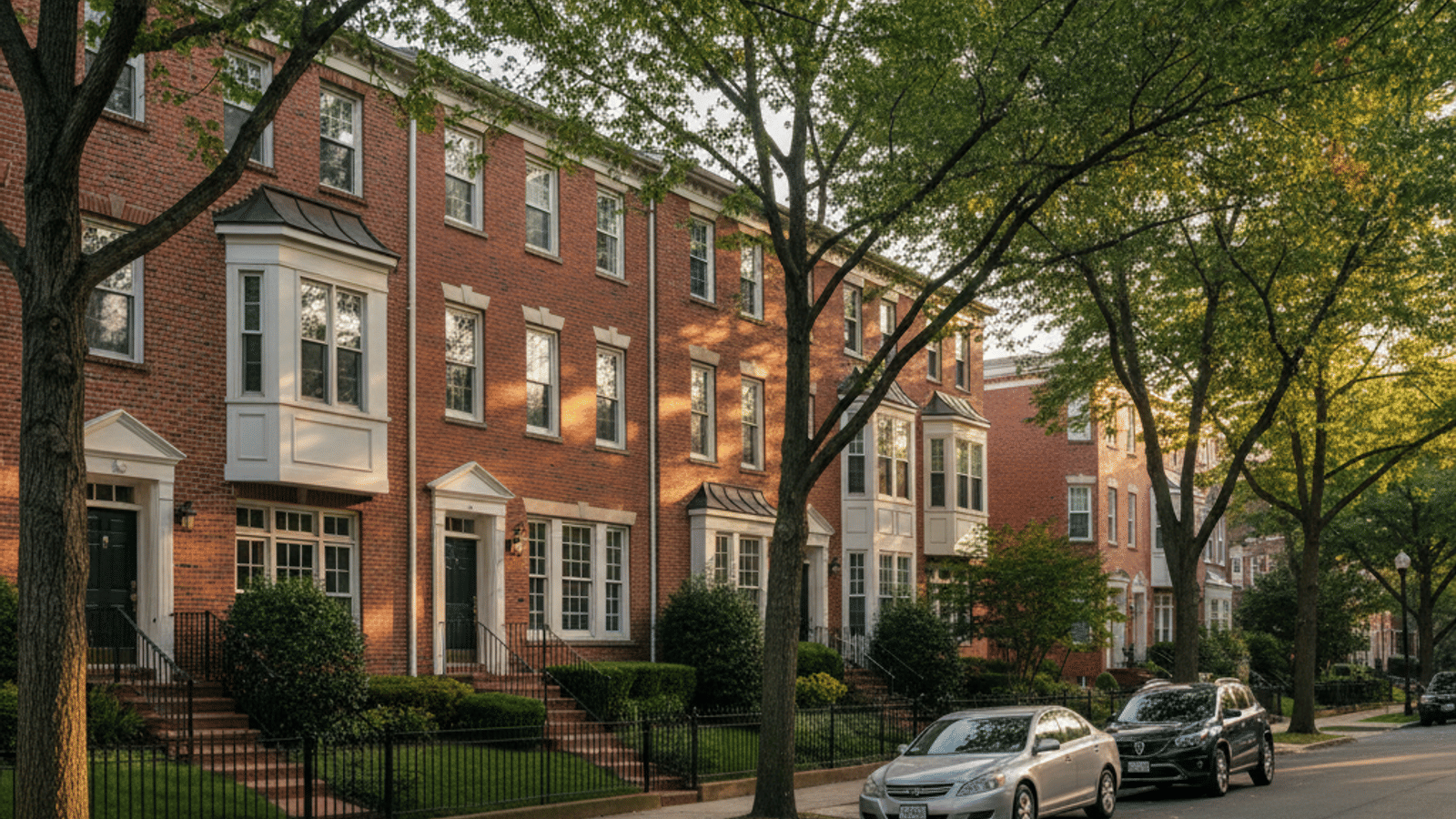
Townhomes are often considered the "sweet spot" for Rockville rentals. They offer a lower purchase price than detached homes but still attract stable tenants who want a yard and a garage. Maintenance on the exterior is often easier to manage, and the demand for these units is insatiable among young professionals and smaller households.
Condos require a bit more caution. While the entry price is lower, monthly condo fees—especially in high-rise buildings in Rockville Town Center—can aggressively eat into your cash flow. If you go this route, scrutinize the HOA financials and fee history closely before making an offer.
Top Rockville Neighborhoods for Investment
Rockville is not a monolith; it is a collection of distinct neighborhoods, each with a different risk and reward profile. Choosing the right one depends on your specific strategy.
King Farm is the premium choice. It is a planned community that is walkable to the Shady Grove Metro. You will pay a higher entry price here, but vacancies are rare and rents are among the highest in the city. It is a "set it and forget it" location for investors who want Class A assets.
Twinbrook is what I often call the "value play." This area is full of post-war homes, often priced in the $500,000 range. These older homes often have great bones but need cosmetic updates. If you are willing to handle some renovation work, you can force appreciation here while securing strong rents due to the proximity to the Metro and retail.
Rockville Town Center offers an urban core experience that appeals to young professionals who want to walk to dinner and the movies. However, be aware of market saturation with new luxury apartment complexes and, as mentioned, high HOA costs that can impact your bottom line.
Aspen Hill / Silver Spring Border: If you look toward the edges of Rockville near Aspen Hill, you can find lower acquisition costs. The appreciation might be slightly slower than in King Farm, but the cash flow numbers often look better on paper day one.
Critical Regulations: Rent Control & Tenant Laws
This is the most important section for any investor to read carefully. There is a common misconception that all of Montgomery County operates under the same strict rent stabilization laws.
The City of Rockville is different.
The City of Rockville operates under Voluntary Rent Guidelines (VRG). This is distinct from the mandatory rent caps you might see in unincorporated Montgomery County. While there is political pressure to keep increases reasonable—the recommended increase for 2025 was around 3.3%—it is currently a voluntary system. This gives investors in the City limits significantly more flexibility than those just outside the border.
However, you must still be compliant with other Maryland and local laws.
Licensing: You must have a rental license to operate legally, and this usually involves lead paint inspections for older properties.
Tenant Rights: Recent updates to Maryland landlord-tenant laws (as of late 2025) have capped late fees at 5% of the unpaid rent and adjusted eviction notice periods to 6 days in certain non-payment cases.
Ignorance of these local statutes is the fastest way to lose money, so having a sharp property management team or legal counsel is vital.
Comparing the Neighbors: Rockville vs. Bethesda vs. Gaithersburg
If you are wondering if you should look one exit up or down I-270, here is how Rockville stacks up against its neighbors.
Versus Bethesda: Bethesda is the gold standard for luxury, but the barrier to entry is high, with starter homes often exceeding $1,200,000. Rockville offers comparable tenant quality—often the same demographic of professionals—but at an entry price nearly half that of Bethesda.
Versus Gaithersburg: Gaithersburg is cheaper to buy into than Rockville. However, Rockville commands higher rents because it is physically closer to DC (shorter commute) and has a more established downtown hub. Gaithersburg is a great secondary option, but Rockville generally holds value better during market dips.
Versus Silver Spring: Silver Spring feels much more urban and dense. Rockville retains a more structured, suburban feel which appeals to a slightly different tenant demographic looking for more green space and organized subdivisions.
Strategies for Out-of-State Investors
If you are investing from outside the DMV area, you cannot treat Rockville like a generic stock portfolio. This is a hands-on market with specific code enforcement nuances.
First, budget for property taxes accurately. Rockville residents pay a municipal tax on top of the Montgomery County tax. When running your numbers, ensure you are accounting for this double layer, or your projected returns will be off.
Second, build a local team. Because the City has its own planning and zoning department separate from the County, you need local vendors who know the specific City code requirements. A local Rockville property management partner can navigate the rental licensing and inspections that trip up DIY landlords.
Finally, focus on "boring" rentals. You do not need to flip high-end luxury homes to win here. The most consistent returns come from standard townhomes or small single-family homes near good schools and transportation hubs.
Frequently Asked Questions
Is Rockville MD good for real estate investing?
Yes, Rockville is considered a strong market for stability and appreciation. It benefits from a massive local job market (biotech and federal government) and restricted housing supply, which keeps vacancy rates low and tenant quality high.
Does Rockville have rent control?
The City of Rockville currently utilizes Voluntary Rent Guidelines, which sets a recommended increase (e.g., 3.3%) but does not mandate a hard cap like the rent stabilization laws in unincorporated Montgomery County. It is crucial to verify if your specific property address falls within the City limits to know which rules apply.
What is the average rent in Rockville?
As of late 2025, the average rent for a 2-bedroom unit or townhouse typically lands between $2,300 and $2,800 per month. Single-family homes can command significantly more depending on square footage and neighborhood.
Are property taxes higher in Rockville?
Yes, generally speaking. Property owners in the City of Rockville pay a municipal tax for city services (like trash, snow removal, and parks) in addition to the standard Montgomery County property tax. You get more services, but you must account for this extra cost in your operating budget.