Is Rockville, MD, a Safe Place to Live? A Look at Crime Rates and Stats
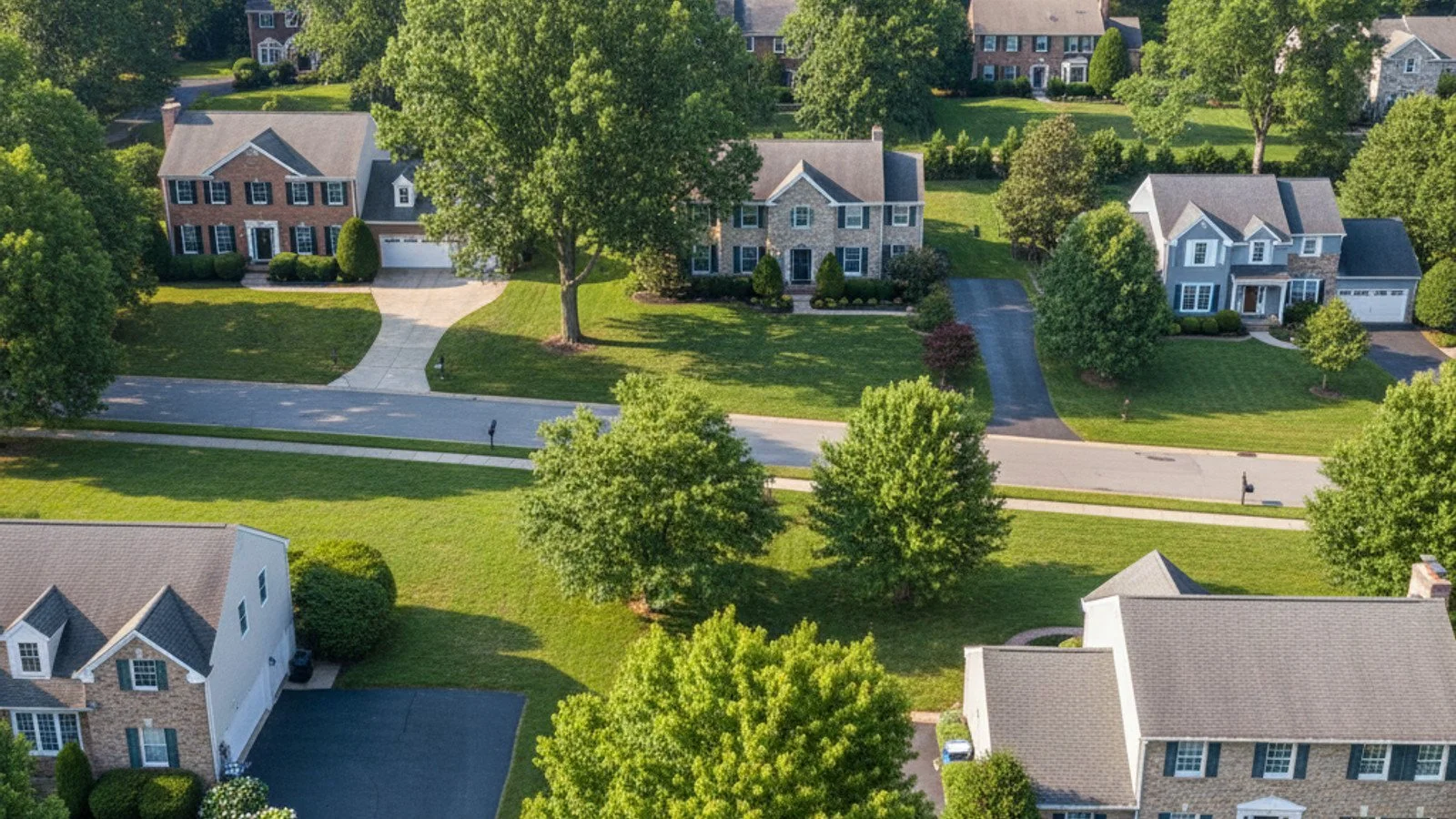
Rockville stands out as a primary destination for buyers relocating to Montgomery County, Maryland. Situated just outside Washington, D.C., the city offers a blend of suburban space and urban transit access. Buyers evaluating this market frequently ask about local infrastructure, housing costs, and overall security.
When deciding where to buy a home, examining objective data is the best way to understand an area. Anyone asking "is Rockville, MD safe" will find that current 2026 statistics present a clear picture of the local environment. We will look closely at crime rates, real estate trends, and commute options to give you a complete view of what to expect.
Understanding Rockville Crime Rates and Statistics
Evaluating the security of a municipality requires looking past general impressions and focusing on verified reporting. Rockville consistently ranks among the top municipalities in Maryland for low crime frequency. Recent 2025 and early 2026 studies from organizations like SafeWise and SmartAsset place the city between the fourth and sixth safest in the state.
Local law enforcement agencies report their data through the FBI Uniform Crime Reports methodology. This standardized approach allows buyers to compare Rockville directly with other regions across the United States. The overall crime rate here falls well below the national average, providing peace of mind for residents.
For prospective buyers, these numbers translate to a stable environment for property investment. Knowing that local authorities maintain strong public services adds a layer of confidence when submitting a high-value offer.
Violent Crime vs. Property Crime in Rockville
Breaking down the numbers reveals that violent crime is rare within the city limits. Current 2026 reporting shows the rate sits around 1.5 incidents per 1,000 residents, meaning the statistical odds of experiencing a violent crime are roughly 1 in 677. This low incidence rate is a major draw for relocating buyers.
Property crime makes up the vast majority of local police reports. Rates currently hover between 13 and 15 incidents per 1,000 residents, largely driven by auto theft and opportunistic larceny. Buyers can easily mitigate these risks by utilizing standard home security systems and keeping vehicles locked.
How Rockville Compares to Maryland and National Averages
Context is crucial when looking at any local statistics. Rockville's violent crime rate is significantly lower than the Maryland state average, which tracks at approximately 4.26 incidents per 1,000 residents. This stark contrast highlights the effectiveness of local municipal services.
When looking at neighboring areas, Rockville also maintains an advantage. Nearby Silver Spring records notably higher property crime rates by comparison. Compared to similar-sized cities across the United States, Rockville maintains a lower overall crime volume, keeping property values well-protected.
Exploring the Rockville Real Estate Market and Cost of Living
The 2026 housing market in Rockville remains highly competitive for buyers. This elevated demand is largely driven by the city's proximity to major employment hubs, including the National Institutes of Health. Inventory often moves quickly, especially for homes located near transit centers.
Living in a prime Montgomery County location comes with a premium price tag. The cost of living index in Rockville runs roughly 36% above the national average. This aligns with the local earning power, as the median household income currently sits between $125,000 and $127,000.
Buyers will find distinct micro-markets depending on which zip code they target. Properties within walking distance of commercial centers command higher prices than those requiring a daily drive. Understanding these boundaries helps buyers set realistic budget expectations.
Property Types: Condos, Townhomes, and Single-Family Homes
The local inventory offers options for different budgets and lifestyle needs. Here is a breakdown of what buyers can expect to spend in early 2026:
Condominiums: Condos generally range from $300,000 to $500,000 and are highly sought after near transit hubs for their excellent walkability.
Townhomes: Attached properties sell between $500,000 and $800,000, offering buyers more square footage with lower exterior maintenance requirements.
Single-Family Homes: Median prices for detached homes in established residential corridors sit around $600,000 to $715,000.
Securing a detached home often requires bidding against multiple offers. Buyers targeting the single-family market should have their financing fully approved before touring properties.
HOA Fees and Property Taxes in Montgomery County
The purchase price is only one part of the financial equation in Maryland. Montgomery County transfer and recordation taxes typically account for 1.5% to 2% of the sale price. Buyers should factor this into their closing costs, even though the expense is often split with the seller.
Monthly carrying costs will also vary based on community management. HOA fees in luxury condo buildings can be substantial, while single-family subdivisions usually charge modest annual dues. Additionally, recent county residential reassessments showed roughly a 12.6% climb, meaning buyers should anticipate higher property tax bills moving forward.
Commute Times, Public Transit, and Local Infrastructure
Rockville is a prime location for buyers who commute daily to federal agencies or Washington, D.C. The city offers multiple transit modes, reducing the daily reliance on personal vehicles. This robust infrastructure is a major selling point for the area.
The average commute time for residents is approximately 28 minutes, which is highly efficient for the Capital Region. Ongoing infrastructure maintenance ensures that major thoroughfares remain in good condition year-round. The city center is also heavily prioritized for walkability.
Having options between rail and highway travel gives residents excellent flexibility. Whether commuting to Bethesda or downtown D.C., the local transit network supports a streamlined morning routine.
Access the Red Line: Rockville and Twinbrook Stations
The Washington Metro Red Line serves as the primary transit artery for the city. Both the Rockville and Twinbrook stations offer extensive daily service for local commuters. These stops connect residents directly to Bethesda, the NIH campus, and downtown Washington, D.C.
For those traveling further distances, the transit centers offer additional rail options. The MARC train provides longer regional commutes into Baltimore or Union Station. Additionally, the Shady Grove station sits at the northern terminus of the Red Line just outside the city limits, offering even more boarding options.
Driving Options: Interstate 270 and Access to Washington D.C.
For drivers, the Interstate 270 corridor acts as the primary route toward the Capital Beltway. Rockville is located roughly 15 miles northwest of the National Mall, making the drive relatively straightforward. However, buyers should set realistic expectations for heavy rush hour traffic volumes.
Navigating the area during peak hours often requires utilizing alternative local routes like Rockville Pike. Parking availability is generally adequate, though dense commercial areas like Rockville Town Square rely heavily on structured garages.
Community Amenities, Parks, and Schools
The quality of civic amenities managed by the city and Montgomery County adds significant value to local real estate. Buyers are consistently drawn to the thoughtful integration of commercial centers with extensive green spaces. This balance provides a high quality of daily life without sacrificing urban conveniences.
Every residential zip code in the city offers close proximity to key community hubs. From public libraries to recreation centers, the local government invests heavily in maintaining accessible facilities. These resources are a major reason why property values remain stable.
Montgomery County Public Schools in Rockville
The public education infrastructure serving residents is highly regarded across the state. Montgomery County Public Schools operates as one of the largest and most highly resourced districts in Maryland. The district maintains a strong footprint within the city limits.
The area features several recognized facilities, such as Richard Montgomery High School. Because attendance boundaries can shift, buyers must verify specific school cluster assignments via the MLS or county boundary maps before making an offer.
Outdoor Recreation and Rockville Town Square
Residents enjoy excellent access to outdoor spaces and modern retail centers. Rockville Town Square features a highly walkable, mixed-use design filled with dining and entertainment options. It serves as a central gathering space for community events throughout the year.
For nature enthusiasts, the area provides extensive paved trail networks and neighborhood parks. Rock Creek Regional Park offers hundreds of acres for hiking, biking, and outdoor recreation. The nearby Rock Creek trail system connects directly to the Potomac River tributary, providing miles of uninterrupted green space.
Frequently Asked Questions About Living in Rockville, MD
Is downtown Rockville, MD safe?
Downtown Rockville, particularly the commercial Town Square area, maintains strong security through visible local policing and well-lit infrastructure. Objective crime statistics show that incidents in this retail hub are primarily minor property offenses rather than violent crimes. Visitors and residents can navigate the downtown corridor with confidence.
What are the safest cities in Maryland to live in?
Recent 2026 safety studies consistently place Rockville among the top ten safest municipalities in the state. Other highly ranked areas often include nearby Bethesda and Potomac. Rockville secures its high ranking by maintaining a violent crime rate significantly below the state average.
Is Rockville, MD expensive to live in?
Living in this area requires a higher budget, as the local cost of living index sits roughly 36% above the national average. In 2026, median home prices for detached properties range from $600,000 to $715,000. However, the higher costs align with the strong local job market and median household incomes exceeding $125,000.